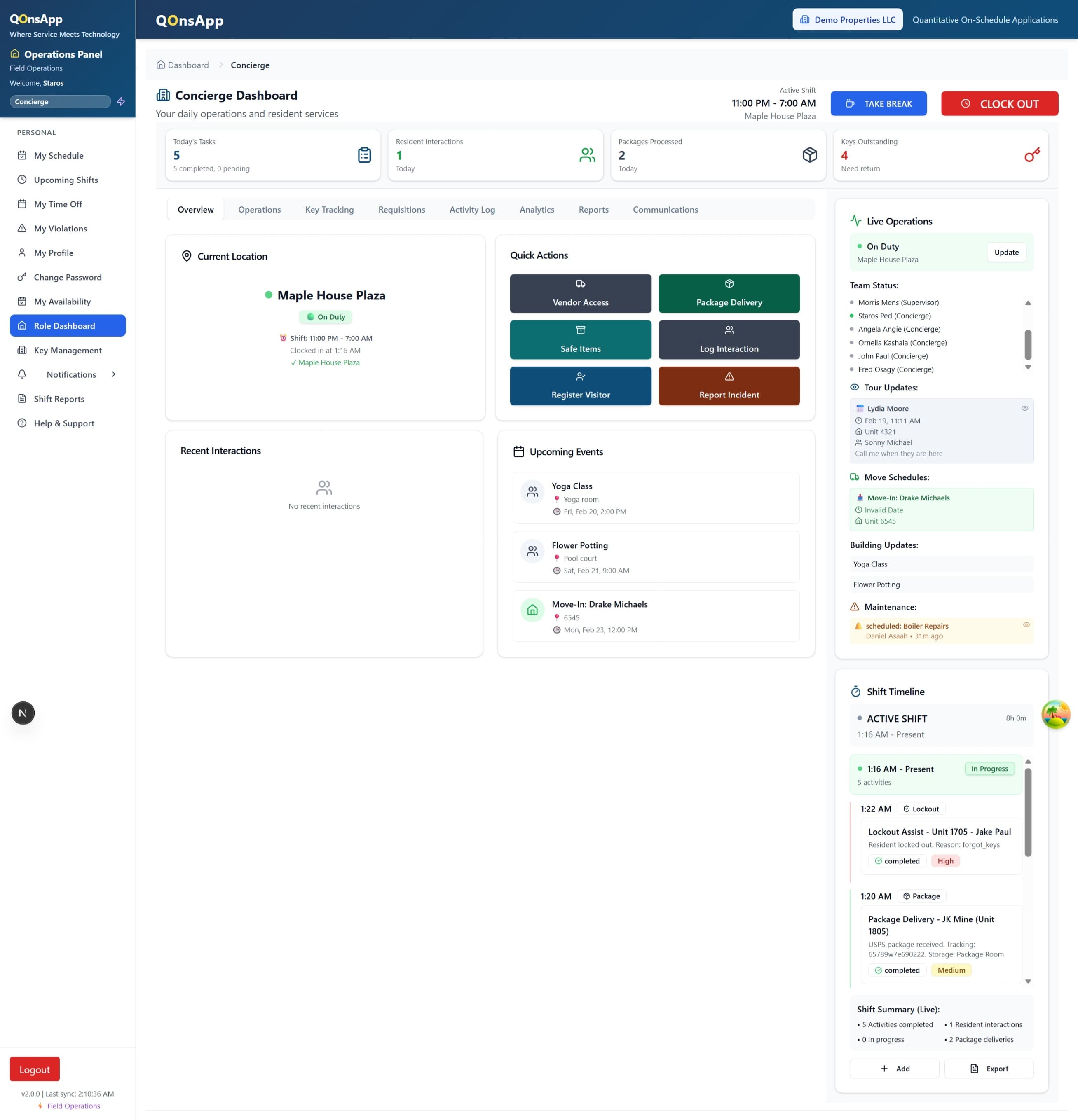
Shared amenities are one of the strongest selling points for multifamily and condominium properties, yet most buildings still manage bookings with clipboards, email threads, or first-come first-served chaos. A National Multifamily Housing Council survey found that 83% of renters consider amenities a key factor when choosing a community. When those amenities are difficult to access or poorly maintained, resident satisfaction drops fast.
Amenity management software replaces manual sign-up sheets with a digital booking system that handles reservations, enforces capacity rules, and connects to maintenance workflows. Residents get the convenience of booking a yoga studio or rooftop deck from their phone. Property teams get visibility into how spaces are actually used, which drives smarter operating decisions.
What follows is a closer look at the features that matter, how the booking workflow operates, and why tying amenity data to broader property operations creates compounding value. If you're also exploring workforce tools, see how AI-powered scheduling coordinates the staff who maintain these spaces.
What Does Amenity Management Software Include?
A complete amenity booking platform goes beyond a simple calendar. Here are the six capabilities that separate basic reservation tools from purpose-built property solutions.
Self-Service Booking Portal
Residents browse available amenities, pick a time slot, and confirm a reservation from their phone or desktop. No front-desk calls, no paper sign-up sheets. The portal shows real-time availability so residents never arrive to find a space double-booked.
Capacity and Occupancy Controls
Each amenity has configurable capacity limits tied to fire code or management policy. When a gym reaches its maximum headcount, the booking portal automatically closes that slot and offers the next available window. Managers adjust limits seasonally without developer help.
Maintenance-Linked Scheduling
When a pool requires chemical treatment or a party room needs deep cleaning, maintenance tasks block the booking calendar automatically. Residents see the downtime in advance and staff receive work orders synced to the amenity schedule, reducing conflicts and missed cleanings.
Usage Analytics and Reporting
Track which amenities are overbooked and which sit empty. Usage heat maps reveal peak hours, underused time slots, and seasonal trends. These reports help property managers justify renovation budgets and adjust operating hours based on actual demand rather than guesswork.
Automated Reminders and Waitlists
Residents receive confirmation emails and reminder notifications before their reservation. If a popular slot fills up, interested residents join a waitlist and get notified automatically when a cancellation opens a spot. No-show rates drop because people remember their bookings.
Access Rules and Policy Enforcement
Restrict certain amenities to specific unit types, enforce guest limits, or require a deposit for party room bookings. Rules are configured per building and per amenity, giving managers fine-grained control without creating separate workflows for each policy.
Why Do Properties Need a Dedicated Booking System?
Amenity conflicts are a leading source of resident complaints. A SatisFacts Research study reported that communities with structured amenity access see 12% higher renewal rates compared to those without. That retention uplift alone can justify the cost of a booking platform within months.
Without a system, front-desk staff spend significant time fielding reservation calls, resolving double bookings, and chasing residents who overstay their slots. That administrative burden grows with every new amenity a property adds. A rooftop deck launch or a renovated party room should excite residents, not overwhelm the concierge team with scheduling conflicts.
There's also the maintenance angle. Pools need chemical checks, gyms need equipment inspections, and party rooms need post-event cleaning. When booking and maintenance calendars live in separate systems, downtime surprises residents and cleaning crews miss their windows. Connecting the two eliminates that disconnect entirely.
Does your portfolio span multiple buildings? A multi-property dashboard lets you compare amenity usage across sites and spot which buildings need additional shared spaces or extended operating hours.
How Does Amenity Booking Work?
Three steps take you from scattered sign-up sheets to a fully digital, maintenance-synced booking system.
Define Your Amenity Inventory
List every bookable space across your portfolio: gyms, pools, lounges, rooftop decks, party rooms, co-working areas. Set capacity limits, operating hours, buffer times between reservations, and any access restrictions per building.
Open the Booking Portal to Residents
Residents log in through the resident portal or receive an invitation link. They browse amenities, view photos and rules, select a date and time, and confirm. The entire flow takes under 30 seconds on a mobile device.
Monitor, Maintain, and Optimise
Managers track bookings in real time, review usage analytics weekly, and link maintenance schedules to amenity availability. Over time, data reveals which spaces need longer hours, which need renovation, and where new amenities would add resident value.
How Does Capacity Management Protect Properties?
Overcrowded amenities create liability exposure and poor resident experiences. According to the National Fire Protection Association, occupancy limits are a legal requirement for assembly spaces in residential buildings. Automated capacity controls enforce those limits without requiring staff to stand at the door and count heads.
Beyond compliance, capacity data reveals demand patterns. If your rooftop deck hits its limit every Saturday between 4 PM and 8 PM, that's a signal to extend hours, add a second outdoor space, or introduce time-slot rotation. Without booking data, these decisions rely on anecdotal feedback from staff who may not observe every peak period.
Usage trends also feed into executive reporting. Portfolio managers reviewing executive analytics can compare amenity utilisation rates across buildings, identify underperforming assets, and allocate capital improvement budgets where the data shows the most resident demand.